
A Stitch in Time Saves Nine
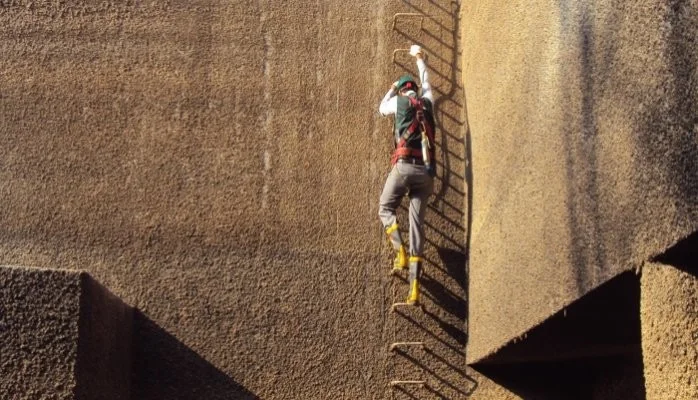
In school when I read this “A Stitch in Time Saves Nine” I thought its more about Jugglery of words.
Today I feel a good preventive maintenance process and Proactive approach saves us from many big problems.
As individual we must learn the art of foreseeing in life.
It helps. At least we should learn the art of risk assessment. People often think that Risk Assessment is a Technical Activity used only in Industries or Plants but that is not true. Everything that we do in our lives has some risks and lows.
Those who try to keep track of them live more safer life.
Humans have a sixth sense that actually works better than the other five…….ha ha
However many of us do not want to trust this sixth sense which keeps us on our toes and give us early signals about likely dangers.
In my opinion risk assessment should be taught as a soft core skill to people of all ages and they must learn the art of weighing the risks. Even if they learn the process it would help them in their lives while they have to take decisions about many activities that they might be planning to do.
We often foresee many bigger problems when they are small but ignore them and the result is stress, disaster, crisis or an accident.
Imagine you get back home and observe a loose electric connection but you don’t want to fix it and later it turns to be an electric short circuit or a big fire.
Your son is not taking interest in studies and you feel the teacher or the mother will do the honour but their efforts may not also be working. And at the end of the day he fails.
Your father is having some some skin problem and you don’t bother much till it becomes cancer.
One of your Team Member has lost interest in job and is conspiring against you as well but you want to give him chance and time. The result is you have to loose your job.
The Real Cost of Delaying Small Problems
Many problems appear small when they first emerge. A minor equipment vibration, a small water leak, damaged flooring, an overdue inspection or a repeated unsafe behaviour may not immediately seem serious enough to demand attention. As a result, action is postponed.
This is where the real cost often begins.
Small problems rarely remain exactly the same forever. A minor maintenance issue can gradually develop into equipment failure. A small leak can damage surrounding infrastructure. A damaged surface can eventually cause a slip, trip or fall. An unsafe practice that has not resulted in an accident may continue until circumstances change and someone is injured.
In many cases, early action requires relatively little time and resources. However, once a problem develops into a major failure, the organization may face repair costs, production downtime, emergency work, damaged equipment and potential injuries. The longer a known problem remains unresolved, the greater the uncertainty surrounding its eventual consequences.
Preventive maintenance is one of the clearest examples of this principle. Regular inspections and timely repairs can help identify equipment problems before they result in unexpected breakdowns. Although preventive activities require planning and investment, they are often far less disruptive than emergency repairs after a critical failure.
The same approach applies to workplace safety. Near misses and minor incidents should be treated as opportunities to learn. They may reveal weaknesses in procedures, supervision, training or workplace conditions. Ignoring these warnings simply because nobody was injured can allow the same underlying problem to remain.
Managers also need to encourage employees to report problems early. In some workplaces, people hesitate to raise concerns because they believe a problem is too small or because they fear being blamed. This can create a culture where issues remain hidden until they become impossible to ignore.
An effective organization does not wait for a problem to become expensive before taking it seriously. It develops systems for inspection, reporting and follow-up so that concerns can be identified and addressed promptly.
However, early action should not mean reacting without understanding the issue. The objective is to investigate the problem sufficiently, identify the appropriate corrective action and ensure that the solution is properly implemented.
The principle behind “A Stitch in Time Saves Nine” remains highly relevant today. Whether the issue involves safety, maintenance, quality or management, dealing with a problem early usually provides more options and reduces the potential consequences.
Prevention may not always receive the same attention as responding to a major crisis because successful prevention often produces something that cannot easily be seen—the absence of failure.
But that is exactly its value.
The best time to solve many problems is not when they become emergencies. It is when they are still small enough to be managed effectively.
Your car needed maintenance but you were thinking to avoid spending the result was you had to spend more.
Life is full of such events.
We all need to learn that a stitch in time saves nine.
May it be a relation or an activity or anything else.
Proactive People live better.
Written by Captain Zahid Faqir (Retd) MSPS & MSIR, working as Deputy General Manager in 560 MW Combined Cycle Power Plant in Karachi, Pakistan
To Read More visit zahid.faqir@linkedin.com or zahid.faqirr@facebook.com
Have a question about this topic?
Get in Touch